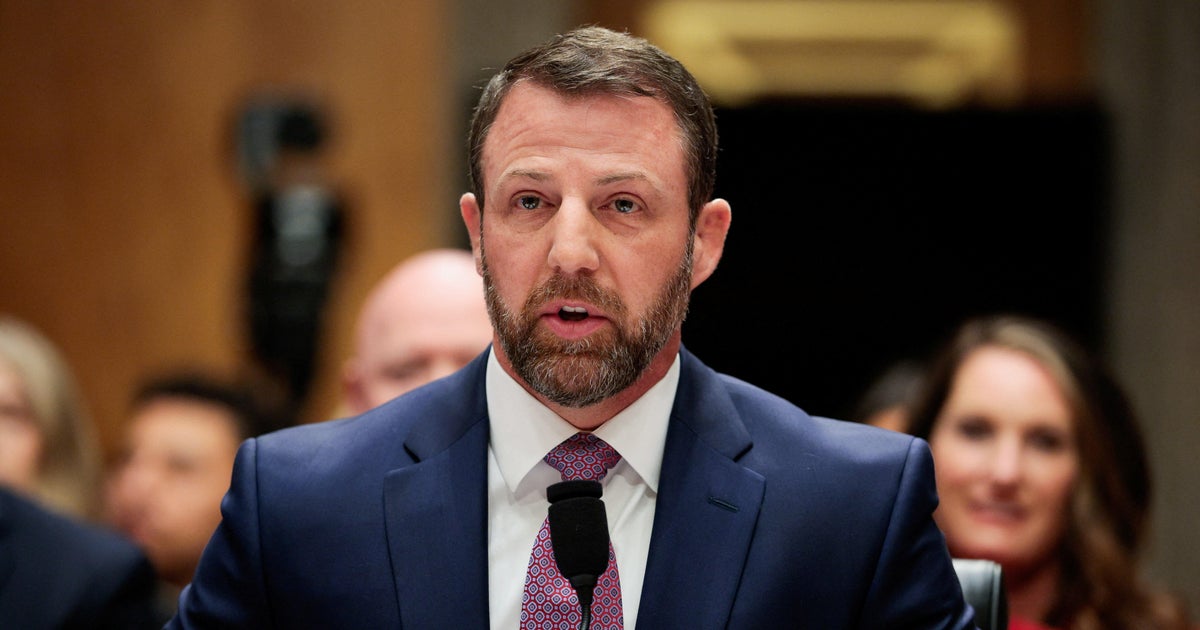
Recap: Mullin's Heated DHS Secretary Confirmation Hearing
The Senate Homeland Security & Governmental Affairs Committee recently became the epicenter of a political showdown, drawing significant attention as Senator Markwayne Mullin (R-OK) faced intense scrutiny during his confirmation hearing for the pivotal role of Secretary of the Department of Homeland Security (DHS). For those following the mullin hearing live, it was clear this was no ordinary proceeding, marked by sharp exchanges, calls for transparency, and ultimately, a path forward paved by bipartisan consensus.
Mullin, nominated to take the reins from the embattled Kristi Noem amidst ongoing criticism of the department's handling of immigration enforcement, stepped into a crucible of high expectations and even higher stakes. The three-hour-plus session on Wednesday saw senators from both sides of the aisle pressing the Oklahoma Republican on various issues, but none as persistently as a classified overseas trip from 2015, which quickly became the central point of contention and threatened to derail the nomination process before it even began. This recap delves into the fiery exchanges, the surprising alliances, and what this hearing signifies for Mullin's journey to leading one of the nation's most critical agencies.
The Weight of DHS: Why Mullin's Confirmation Matters
The Department of Homeland Security is a sprawling agency with a monumental mandate, encompassing everything from border security and immigration enforcement to counter-terrorism, cybersecurity, and disaster response. The Secretary of DHS holds immense power and responsibility, influencing policies that directly impact national security and the daily lives of millions. Mullin's nomination comes at a particularly sensitive time, with border issues dominating headlines and the department facing immense pressure to demonstrate effective leadership and strategy.
For a nominee, the confirmation hearing is a crucial opportunity to articulate their vision, demonstrate their understanding of complex challenges, and prove their temperament under pressure. The Senate's role is to ensure that the individual appointed possesses the necessary qualifications, integrity, and judgment to lead such a vital institution. Given the current political climate and the critical functions of DHS, Senator Mullin's performance in this hearing was under an exceptionally bright spotlight, with every answer and interaction analyzed for its implications.
A Fiery Start: Rand Paul's Opening Salvo and the Classified Trip
The hearing kicked off with an immediate jolt, largely courtesy of Senator Rand Paul (R-KY). Known for his independent streak and willingness to challenge even members of his own party, Paul initiated his questioning by suggesting Mullin often seemed to "fight Republicans more than work with us" – a pointed barb that immediately set a tense tone. However, the true flashpoint emerged when Paul, joined by Democratic Senator Gary Peters, honed in on an overseas trip Mullin allegedly took in 2015.
Mullin repeatedly insisted that details of this particular assignment were classified and could only be discussed in a secure location, known as a Sensitive Compartmented Information Facility (SCIF). While this response is standard procedure for classified information, Paul pushed back, accusing Mullin of being evasive. Senator Peters echoed these concerns, noting that Mullin's account of the trip "always seems to, kind of, change," leading to questions about his candor and transparency. This exchange highlights a critical aspect of confirmation hearings: the committee's need to establish trust and confidence in a nominee, particularly for a role demanding utmost integrity and access to sensitive intelligence. The back-and-forth over the classified trip became a significant hurdle, with Paul suggesting he could delay the committee vote if his questions weren't satisfactorily answered. To understand more about this specific exchange, read our detailed analysis: Markwayne Mullin: Classified Trip Sparks Rand Paul Debate.
Bipartisan Bridges Amidst the Bluster
Despite the heated exchanges and Senator Paul's strong objections, the hearing also revealed pockets of bipartisan support for Mullin. Perhaps most notably, Democratic Senator John Fetterman, known for his pragmatic approach, publicly praised Mullin for displaying "consistent kindness and professionalism." This endorsement is particularly significant, as cross-aisle support can often be a decisive factor in moving a nomination forward, especially in a closely divided Senate. Fetterman's statement underscored the potential for personal rapport to transcend partisan divides, even in contentious settings. Such endorsements are invaluable, as they signal to other senators that a nominee is capable of working collaboratively, a crucial trait for any cabinet secretary.
The dynamics of this hearing offer a vital lesson in the intricacies of Senate confirmations. While individual senators can raise strong objections and even attempt to delay proceedings, broader committee support, often signaled by bipartisan gestures, can ultimately dictate a nominee's fate. Fetterman's backing, even in the face of Paul's opposition, significantly bolsters Mullin's chances of advancing out of the committee. For a deeper dive into the implications of Fetterman's support, see: Mullin DHS Nomination: Fetterman Support & Vote Outlook.
Navigating Trust and Transparency: The SCIF Compromise
The persistent questioning from Senators Paul and Peters regarding Mullin's overseas work brought into sharp focus the imperative for "candor, honesty, transparency" in a prospective DHS Secretary. As Peters emphasized, these qualities are "absolutely critical particularly at this time to try to build trust." The integrity of the nominee is paramount, especially when they will be privy to the nation's most guarded secrets and tasked with safeguarding its security.
Ultimately, a compromise was reached to address the classified trip issue. After more than three hours, Mullin agreed to meet with senators in a SCIF immediately following the hearing to provide the requested classified details. Senator Paul, upon hearing this commitment, indicated that this development made it "much more likely that we have a vote tomorrow," signaling that his previous threat to delay the vote would likely be rescinded. This resolution demonstrated the Senate's procedural mechanisms at work, allowing for the committee to fulfill its oversight duties while respecting the confidentiality of classified information.
What's Next for the DHS Nomination?
With the SCIF meeting addressing the immediate concerns regarding classified information, the path for Markwayne Mullin's nomination to advance out of the Senate Homeland Security & Governmental Affairs Committee appears to be clear. While Senator Paul's earlier objections were significant, the commitment to the SCIF meeting and the demonstrated bipartisan support suggest Mullin has likely secured enough votes within the committee to move forward. The committee vote could occur as early as Thursday, setting the stage for a potential full Senate confirmation vote in the near future.
Should Mullin be confirmed, he will step into a challenging role, inheriting a department grappling with complex issues ranging from border security and immigration policy reform to cybersecurity threats and disaster preparedness. His ability to build trust, foster inter-agency cooperation, and navigate the highly politicized landscape surrounding DHS will be critical to his success. Observers of the mullin hearing live witnessed firsthand the intense scrutiny he faces, a preview of the difficult road ahead for any DHS Secretary in Washington today.
The confirmation process, particularly for high-profile cabinet positions, serves as a vital democratic mechanism. It ensures accountability, transparency, and a thorough vetting of individuals entrusted with immense power and responsibility. For citizens, understanding these hearings provides insight into the qualifications of potential leaders and the critical issues facing the nation.
Conclusion
Senator Markwayne Mullin's confirmation hearing for DHS Secretary was a vivid display of the rigorous vetting process for high-stakes governmental roles. From Senator Rand Paul's pointed challenges regarding a classified overseas trip to the crucial bipartisan backing from Senator John Fetterman, the proceedings underscored the multifaceted nature of Senate confirmations. Despite heated exchanges, Mullin's commitment to address classified concerns in a secure setting ultimately paved the way for his nomination to likely advance. As the Senate prepares for a committee vote, the intense scrutiny Mullin faced serves as a powerful reminder of the immense responsibilities awaiting the next Secretary of Homeland Security and the critical role of trust, candor, and cross-aisle cooperation in effective governance.